
Blog
Welcome to the World of Mobile Gaming Down Under
If you’ve just picked up your first Android or iPhone and wonder why everyone keeps tapping their screens, you’re not alone. In 2023, Australian players logged an average of 12.4 hours per week on mobile games, up from 8.1 hours in 2018. That jump isn’t just about more free time; it’s about how games have become richer, more tactile, and oddly social.
What Makes a Game “Immersive”?
Immersive mobile games blend three ingredients: high‑resolution graphics, responsive touch controls, and a narrative that reacts to your choices. Take Genshin Impact as a benchmark – its open‑world map loads in under three seconds on a 5G connection, while the character‑swap animation feels as smooth as a console title. Another example, Infinity Loop, uses the device’s gyroscope to let you tilt the world itself, turning a simple puzzle into a physical experience.
5G and Cloud Gaming: The Technical Backbone
Australia’s 5G rollout reached 68 % coverage of the population by mid‑2024. That translates to latency drops from 50 ms to under 15 ms for most urban users. Lower latency means cloud‑streamed titles like Xbox Cloud Gaming run without the dreaded lag spikes that used to ruin fast‑paced shooters.
- Download speeds: Average 150 Mbps in Sydney, 120 Mbps in Melbourne.
- Upload speeds: Consistently above 30 Mbps, enough for real‑time multiplayer voice chat.
- Battery impact: Modern chipsets (Snapdragon 8 Gen 2, Apple A17) manage power so a two‑hour session drains less than 15 % of a full charge.
Local Studios Riding the Wave
Australian developers are no longer just exporting indie titles; they’re building worlds that rival global giants. Halfbrick Studios, known for Fruit Ninja, launched Robo Rumble in 2022, a multiplayer arena that supports up to 20 players on a single device via Wi‑Fi Direct. Meanwhile, Melbourne‑based Firefly Studios released Outback Odyssey, a location‑based AR adventure that uses GPS to place virtual creatures around iconic landmarks like Uluru and the Sydney Harbour Bridge.
These studios benefit from government grants: the 2021 Interactive Media Grant offered up to AUD 150,000 per project, and the Australian Tax Incentive returned roughly 43 % of qualifying R&D expenses. The financial boost means more polish, more content updates, and longer support lifespans for players.
Community and Competition: How Social Features Keep Players Hooked
Mobile games now embed Discord‑style voice rooms, leaderboards that reset weekly, and cross‑platform clans. In Clash of Clans, Australian clans reported an average of 45 % higher retention when they organized nightly “war drills” using the in‑app chat. The social layer turns a solitary pastime into a community ritual, especially in regional areas where internet cafés have vanished.
From Mobile Screens to Broader Entertainment
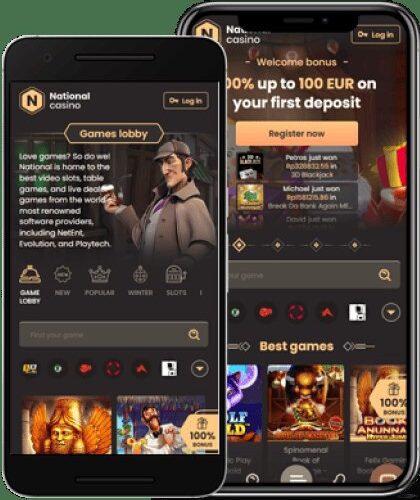
While immersive mobile gaming dominates daily screen time, it also feeds into the larger online entertainment ecosystem. Players who master a mobile strategy often migrate to PC or console versions, and the revenue they generate supports streaming platforms and esports events. Speaking of broader entertainment, the National casino has recently added mobile‑optimized slots that echo the tactile feel of these games, blurring the line between pure gaming and gambling experiences.
Challenges Still on the Horizon
The surge isn’t without its hiccups. Data caps remain a pain point; many regional ISPs still enforce a 100 GB monthly limit, which can be exhausted after just a few hours of high‑resolution streaming. Additionally, the “freemium” model—free download with in‑app purchases—creates a pay‑to‑win environment that can alienate casual players. For younger gamers, parental controls are often too blunt, blocking entire genres rather than specific content.
Looking Ahead: What’s Next for Aussie Mobile Gaming?
Expect three trends to define the next five years. First, augmented reality will move beyond novelty; developers plan city‑wide events where players physically gather at landmarks to unlock exclusive quests. Second, AI‑driven NPCs will react to player behavior in real time, making each session feel unique. Third, subscription bundles—similar to Apple Arcade but tailored for Australian titles—could offer ad‑free experiences for a flat monthly fee, potentially curbing the aggressive micro‑transaction model.
Bottom line: Immersive mobile gaming in Australia has shifted from a casual pastime to a cultural touchstone. With faster networks, supportive policy, and homegrown talent, the next wave promises even deeper worlds right in the palm of your hand.
 French
 English